

Disclosure / Affiliate Notice:
As an Amazon Associate I earn from qualifying purchases.
Some links in this article may be affiliate links that earn me a commission at no extra cost to you.
Many people notice the same pattern in winter: a phone that easily lasts all day in summer suddenly drops from 40% to 15% within an hour outdoors. The battery hasn’t changed, but the environment has.
Cold temperatures affect how lithium-ion batteries function. The device may still work, yet its performance becomes temporarily less efficient.
Batteries Rely on Chemical Reactions
Inside a phone battery, energy moves through chemical reactions. These reactions slow down in low temperatures. When that happens, the battery cannot deliver power as smoothly as it does at room temperature.
The result is a sudden percentage drop or even an unexpected shutdown, especially when using navigation, streaming, or taking photos outside.
Once the phone warms up again, the percentage may appear to recover slightly. That doesn’t mean it recharged — it simply regained normal operating efficiency.
Thin Cases Offer Little Insulation
Phones carried in coat pockets are partially protected by body heat. Devices held in the hand or placed in external bags cool down more quickly.
Because modern phones are slim, they lose warmth rapidly. A protective case helps against impact but rarely adds meaningful insulation unless it traps some air around the device.
In colder climates, even small exposure differences can change how long a charge appears to last.
Screen Brightness Increases Power Demand
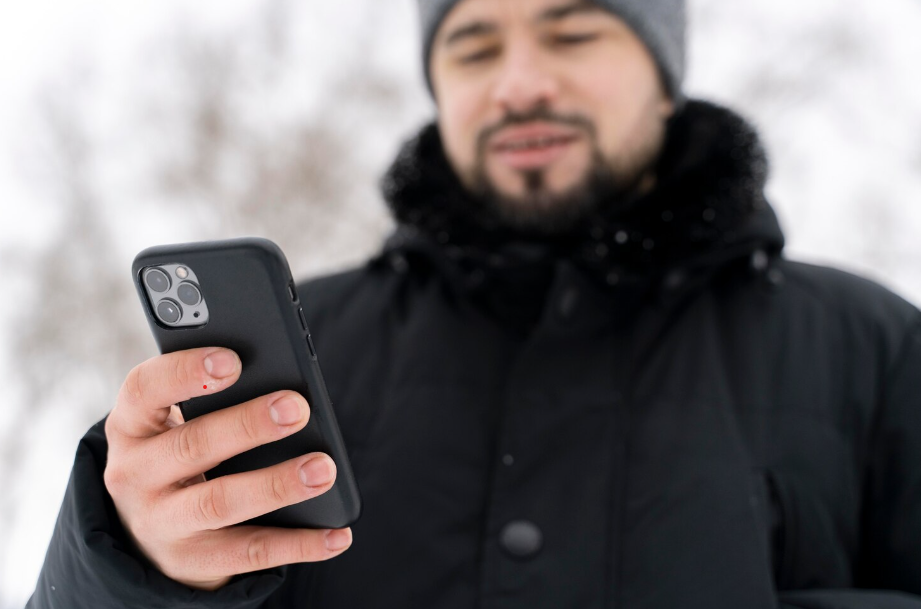
Winter conditions often mean overcast skies or snow glare. Many users increase screen brightness outdoors without noticing.
Higher brightness combined with cold temperature forces the battery to work harder while already operating less efficiently. This combination explains why power drains faster outside than indoors.
Warming the Device Gently Helps
When battery levels drop quickly in the cold, the safest approach is to warm the phone gradually — placing it in an inside pocket rather than directly against a heat source.
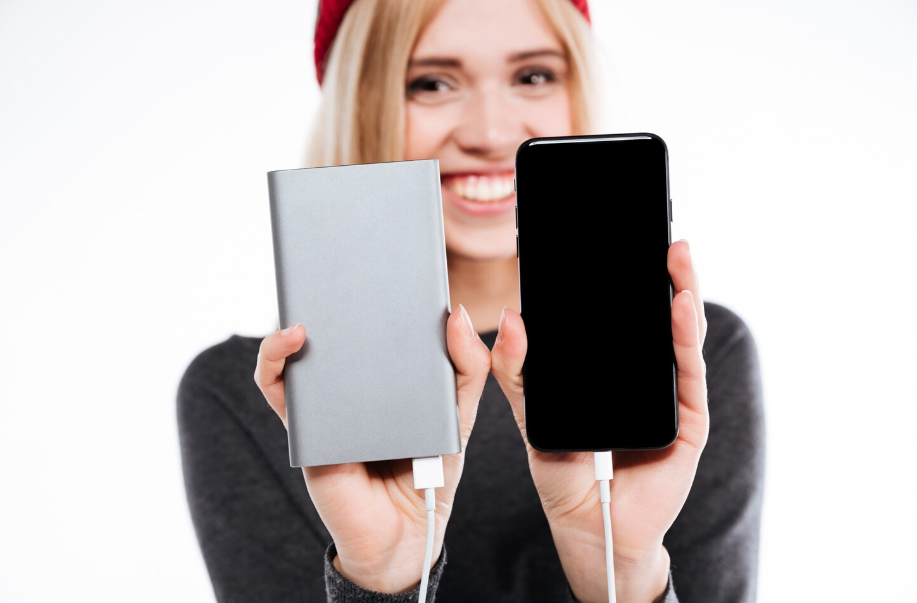
For longer time outdoors, carrying a small power bank provides backup energy without needing to fully recharge in freezing conditions.
https://www.amazon.com/s?k=portable+power+bank&crid=1V772WE68IE9R&sprefix=%2Caps%2C493&linkCode=ll2&tag=9761313-20&linkId=723d1f0cdccdb39a77ee30a858b38fa2&language=en_US&ref_=as_li_ss_tl
The benefit comes from maintaining moderate temperature, not from charging speed.
Cold Drain Is Usually Temporary
Repeated winter drain does not automatically mean the battery is damaged. However, exposure to extreme cold for extended periods can reduce long-term performance over time.
Keeping devices within normal temperature ranges whenever possible helps maintain stable battery health.
Technology Reacts to Environment
Batteries behave differently depending on temperature, usage intensity, and airflow around the device. Understanding that cold slows energy flow makes winter drain less surprising — and easier to manage with small adjustments.
Often the issue isn’t the battery failing, but the environment changing.
As an Amazon Associate I earn from qualifying purchases.
https://www.amazon.com/s?k=portable+power+bank&crid=1V772WE68IE9R&sprefix=%2Caps%2C493&linkCode=ll2&tag=9761313-20&linkId=723d1f0cdccdb39a77ee30a858b38fa2&language=en_US&ref_=as_li_ss_tl